Laparoscopic Surgery
Laparoscopic Surgery
Laparoscopic surgery has transformed modern surgical care by offering minimally invasive treatment for several conditions that traditionally required larger incisions. If you are looking for laparoscopic surgery in Sector 16A Faridabad, Dr. Midur Kumar Sharma provides advanced surgical care with extensive experience in laparoscopic and minimally invasive procedures.
Dr. Midur Kumar Sharma is a General and Minimal Access Surgeon with more than 15 years of experience in advanced laparoscopic, bariatric, metabolic, robotic, laser-assisted, and minimally invasive surgeries. His approach focuses on selecting the most appropriate surgical technique according to the patient's condition, medical history, and treatment requirements.
What Is Laparoscopic Surgery?
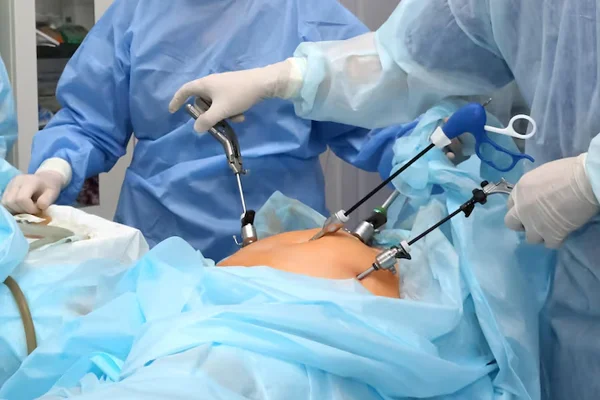
Laparoscopic surgery is a minimally invasive surgical technique performed through small incisions instead of one large surgical opening. A specialised camera, called a laparoscope, is inserted through a small incision to provide a magnified view of the surgical area. Other specialised instruments are introduced through additional small openings to perform the required procedure.
Compared with conventional open surgery, laparoscopic procedures may result in smaller incisions, reduced tissue trauma, less postoperative discomfort, and a potentially faster recovery in appropriately selected patients.
Dr. Midur Kumar Sharma uses modern laparoscopic techniques for suitable surgical conditions, with an emphasis on precision, safety, and personalised treatment planning.
Conditions That May Require Laparoscopic Surgery
Laparoscopic surgery can be used for several abdominal and general surgical conditions. Depending on the diagnosis, some commonly performed laparoscopic procedures may include:
- Gallbladder surgery for gallstones
- Hernia repair
- Appendix surgery
- Selected gastrointestinal procedures
- Bariatric and metabolic surgeries
- Certain abdominal and emergency procedures
- Other minimally invasive surgical interventions
The suitability of laparoscopic treatment depends on the individual patient. A detailed consultation and appropriate investigations are required before deciding on the surgical approach.
Benefits of Laparoscopic Surgery
One of the major advantages of laparoscopic surgery is that it generally involves smaller incisions than conventional open surgery. For suitable patients, this minimally invasive approach may offer several benefits.
Smaller Incisions
Laparoscopic procedures typically require small incisions, which can result in smaller surgical scars compared with traditional open surgery.
Less Tissue Trauma
Because the surgical access is smaller, there may be less disruption to surrounding tissues during the procedure.
Reduced Postoperative Discomfort
Many patients experience less postoperative discomfort following minimally invasive surgery, although the level of pain varies according to the procedure and individual factors.
Faster Recovery
Patients undergoing suitable laparoscopic procedures may be able to return to normal activities sooner than patients undergoing comparable open procedures.
Shorter Hospital Stay
Depending on the type of surgery and the patient's recovery, laparoscopic procedures may allow an earlier discharge from the hospital.
Better Cosmetic Results
Smaller surgical incisions generally result in less noticeable scars after healing.
Laparoscopic Surgery Procedure
The exact process varies according to the type of surgery being performed. Generally, the treatment begins with a detailed consultation and clinical assessment.
1. Consultation and Evaluation
The surgeon reviews the patient's symptoms, medical history, previous surgeries, medications, and relevant health conditions.
2. Diagnostic Investigations
Imaging studies, blood tests, or other investigations may be recommended to confirm the diagnosis and determine the most suitable surgical approach.
3. Surgical Planning
After reviewing the findings, the surgeon discusses the available treatment options, expected benefits, possible risks, and recovery requirements.
4. Minimally Invasive Procedure
During laparoscopic surgery, small incisions are made to introduce the laparoscope and surgical instruments. The surgeon performs the required procedure while viewing the surgical area on a monitor.
5. Postoperative Monitoring
After surgery, the patient is monitored for recovery from anaesthesia and early postoperative care. Pain management, diet, movement, and wound care instructions are provided according to the procedure.
Recovery After Laparoscopic Surgery
Recovery depends on the type and complexity of surgery, the patient's overall health, and individual healing. Some patients can return to routine activities relatively quickly, while more complex procedures may require a longer recovery period.
Patients should follow all postoperative instructions carefully. These may include taking prescribed medicines, maintaining wound hygiene, following dietary recommendations, gradually increasing physical activity, and attending follow-up appointments.
Heavy lifting and strenuous activity should generally be avoided until the surgeon confirms that it is safe to resume them.
Why Choose Dr. Midur Kumar Sharma?
For patients seeking laparoscopic surgery in Sector 16A Faridabad, choosing an experienced surgeon is an important part of the treatment journey. Dr. Midur Kumar Sharma has more than 15 years of experience in general and minimal access surgery.
He is currently associated with Metro Hospital, Faridabad, as Associate Director – Laparoscopic, Bariatric, Metabolic & Robotic Surgery (Unit-I). His expertise includes advanced laparoscopic surgery, Single Incision Laparoscopic Surgery, bariatric and metabolic procedures, robotic surgery, laser-assisted procedures, and selected emergency laparoscopic surgeries.
His professional experience includes association with reputed healthcare institutions such as MMIMSR, Ambala, Alchemist Hospital, Gurugram, Sarvodaya Hospital, Faridabad, and Asian Hospital, Faridabad.
Dr. Sharma also participates in professional conferences and academic activities and has presented papers and contributed publications to international journals. His focus remains on providing personalised, evidence-based surgical care using appropriate modern techniques.
Frequently Asked Questions
1. What is laparoscopic surgery?
Laparoscopic surgery is a minimally invasive surgical technique performed through small incisions using a camera and specialised instruments.
2. Is laparoscopic surgery better than open surgery?
For suitable conditions, laparoscopic surgery may offer advantages such as smaller incisions, less tissue trauma, and faster recovery. However, the appropriate approach depends on the patient's condition.
3. Is laparoscopic surgery safe?
Laparoscopic surgery is widely used as a minimally invasive approach, but every surgical procedure has potential risks. Your surgeon will assess your condition and explain the benefits and risks before treatment.
4. How long does laparoscopic surgery take?
The duration depends on the specific procedure, complexity of the condition, and individual patient factors.
5. How quickly can I recover after laparoscopic surgery?
Recovery varies depending on the procedure and the patient's health. Some patients return to routine activities relatively quickly, while complex procedures may require more recovery time.
6. Does laparoscopic surgery leave scars?
Laparoscopic surgery generally involves small incisions, resulting in smaller scars compared with conventional open surgery. The final appearance of scars varies between individuals.
7. Who can undergo laparoscopic surgery?
Patients with conditions suitable for minimally invasive treatment may be candidates for laparoscopic surgery. A surgeon's evaluation is necessary to determine suitability.
8. Where can I consult for laparoscopic surgery in Sector 16A Faridabad?
Patients looking for laparoscopic surgery in Sector 16A Faridabad can consult Dr. Midur Kumar Sharma for evaluation, diagnosis, and personalised surgical treatment planning.
Consult an Experienced Laparoscopic Surgeon
If you require surgical treatment and are considering a minimally invasive approach, an experienced surgical consultation can help determine the most appropriate treatment option. Dr. Midur Kumar Sharma offers advanced laparoscopic and minimal access surgical care with a focus on personalised treatment, surgical precision, and patient safety.