Piles , Fistula , Pilonidal Sinus
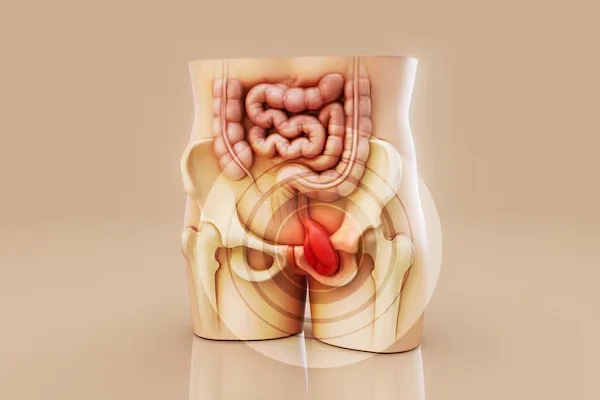
Piles , Fistula , Pilonidal Sinus
Piles, anal fistula, and pilonidal sinus are common conditions that can cause pain, swelling, bleeding, discharge, itching, and discomfort during daily activities. While some cases can be managed with medicines and lifestyle changes, persistent or advanced conditions may require a surgical procedure.
If you are looking for Piles, Fistula and Pilonidal Sinus treatment in Sector 16A Faridabad, Dr. Midur Kumar Sharma provides comprehensive evaluation and advanced surgical care based on the patient's condition.
Dr. Midur Kumar Sharma is a General and Minimal Access Surgeon with more than 15 years of experience in laparoscopic, bariatric, metabolic, robotic, laser-assisted, and minimally invasive surgeries. He focuses on accurate diagnosis, appropriate treatment selection, and personalised postoperative care.
What Are Piles?
Piles, also known as haemorrhoids, are swollen blood vessels and tissues around the anus or lower rectum. They may develop due to increased pressure in the blood vessels of the area.
Common symptoms include:
- Bleeding during or after bowel movements
- Pain or discomfort
- Itching around the anus
- Swelling or a lump near the anus
- Difficulty or discomfort while passing stools
- Mucus discharge in some cases
Piles can be internal or external. Treatment depends on the severity of symptoms and the type of haemorrhoids.
What Is an Anal Fistula?
An anal fistula is an abnormal tunnel that develops between the inside of the anus or rectum and the surrounding skin. It often develops following an infection or abscess around the anal region.
Symptoms may include:
- Persistent discharge near the anus
- Recurrent swelling
- Pain or irritation
- A small opening near the anus
- Repeated episodes of infection or abscess
Anal fistulas generally require surgical evaluation because they may not heal completely without appropriate treatment.
What Is a Pilonidal Sinus?
A pilonidal sinus is a small tunnel or cavity that usually develops in the skin and tissues near the cleft of the buttocks, close to the tailbone. It can become infected and form an abscess.
Common symptoms include:
- Pain near the tailbone
- Swelling or tenderness
- Redness
- Pus or blood discharge
- A small opening or pit in the skin
- Difficulty sitting comfortably
Treatment depends on whether the condition is uncomplicated, recurrent, or infected.
Treatment for Piles, Fistula & Pilonidal Sinus
Treatment is selected according to the diagnosis, severity, symptoms, previous treatment, and overall health.
Piles Treatment
Mild piles may improve with dietary changes, increased fibre and fluids, appropriate medicines, and improved bowel habits. More advanced or persistent haemorrhoids may require a procedure or surgery.
Fistula Treatment
Anal fistulas commonly require surgical treatment. The exact procedure depends on the location and complexity of the fistula and its relationship with the anal sphincter muscles.
Pilonidal Sinus Treatment
Treatment may range from conservative care for uncomplicated cases to drainage or surgical removal for persistent or recurrent disease. The appropriate procedure depends on the extent of the sinus and whether infection is present.
When Should You See a Surgeon?
A surgical consultation is recommended if symptoms are persistent, recurrent, or becoming more severe. You should consider medical evaluation for symptoms such as:
- Recurrent bleeding from the anus
- Persistent anal pain
- Repeated swelling or infection
- Pus or continuous discharge
- A recurrent lump near the anus or tailbone
- A non-healing wound
- Repeated pilonidal abscesses
Early evaluation can help identify the cause of symptoms and determine whether conservative management or surgery is required.
Diagnosis and Treatment Process
1. Clinical Examination
The surgeon reviews your symptoms and medical history and performs an appropriate examination.
2. Investigations
Depending on the condition, additional tests or imaging may be recommended to understand the extent of the disease and plan treatment.
3. Personalised Treatment Planning
The surgeon explains the available treatment options, expected outcomes, potential risks, and recovery requirements.
4. Procedure or Surgery
If surgery is required, the appropriate technique is selected according to the condition. Minimally invasive or advanced techniques may be considered where clinically suitable.
5. Recovery and Follow-Up
Postoperative care may include medication, wound care, dietary recommendations, bowel-management advice, activity restrictions, and follow-up visits.
Recovery After Treatment
Recovery varies according to the condition and procedure performed. Patients are generally advised to maintain good hygiene, follow dietary recommendations, avoid constipation, take prescribed medicines, and attend follow-up appointments.
For pilonidal sinus treatment, keeping the area clean and following the surgeon's wound-care instructions can be particularly important. For piles and fistula treatment, maintaining soft stools and avoiding excessive straining may support recovery.
The surgeon will provide individualised instructions based on the procedure and the patient's health.
Why Choose Dr. Midur Kumar Sharma?
Dr. Midur Kumar Sharma is a General and Minimal Access Surgeon with more than 15 years of experience in advanced surgical procedures. His expertise includes laparoscopic surgery, minimally invasive surgery, robotic surgery, bariatric and metabolic procedures, laser-assisted procedures, and selected emergency laparoscopic cases.
He is currently working as Associate Director – Laparoscopic, Bariatric, Metabolic & Robotic Surgery (Unit-I), Metro Hospital, Faridabad.
His professional experience includes association with MMIMSR, Ambala; Alchemist Hospital, Gurugram; Sarvodaya Hospital, Faridabad; and Asian Hospital, Faridabad. He has also participated in conferences, presented scientific papers, and contributed research publications to international journals.
For patients seeking Piles, Fistula and Pilonidal Sinus treatment in Sector 16A Faridabad, Dr. Sharma provides detailed evaluation and personalised surgical planning based on the patient's specific condition.
Frequently Asked Questions
1. What are piles?
Piles, or haemorrhoids, are swollen blood vessels and supporting tissues around the anus or lower rectum that may cause bleeding, discomfort, itching, or swelling.
2. What causes an anal fistula?
An anal fistula commonly develops after an infection or abscess around the anus creates an abnormal passage between the anal canal and surrounding skin.
3. What causes pilonidal sinus?
Pilonidal sinus is commonly associated with hair and skin debris becoming trapped in the cleft near the tailbone, potentially leading to inflammation or infection.
4. Can piles be treated without surgery?
Yes, many mild cases can improve with dietary changes, fibre, fluids, bowel-habit modification, and appropriate medical treatment. Persistent or advanced cases may require a procedure.
5. Does an anal fistula require surgery?
Many anal fistulas require surgical treatment because they may not heal permanently on their own. The appropriate procedure depends on the fistula's location and complexity.
6. Can pilonidal sinus come back after treatment?
Recurrence is possible. Following postoperative wound-care instructions and maintaining appropriate hygiene can help support recovery, although recurrence can occur even after treatment.
7. How long does recovery take?
Recovery depends on the condition and type of treatment. Your surgeon will provide specific instructions regarding wound care, diet, physical activity, and follow-up.
8. Where can I get treatment for piles, fistula and pilonidal sinus in Sector 16A Faridabad?
You can consult Dr. Midur Kumar Sharma for evaluation and personalised treatment planning for piles, anal fistula, and pilonidal sinus in Sector 16A Faridabad.