Varicose Veins
Varicose Veins
Varicose veins are enlarged, twisted, and prominent veins that commonly develop in the legs when blood does not flow efficiently back towards the heart. They can cause visible veins, heaviness, aching, swelling, itching, and discomfort, particularly after prolonged standing or walking.
If you are looking for Varicose Veins Treatment in Sector 16A Faridabad, Dr. Midur Kumar Sharma provides comprehensive evaluation and personalised treatment planning based on the severity of the condition and the patient's overall health.
Dr. Midur Kumar Sharma is a General and Minimal Access Surgeon with more than 15 years of experience in advanced laparoscopic, minimally invasive, bariatric, metabolic, robotic, and laser-assisted procedures. His surgical approach focuses on accurate diagnosis, appropriate treatment selection, and patient-centred care.
What Are Varicose Veins?
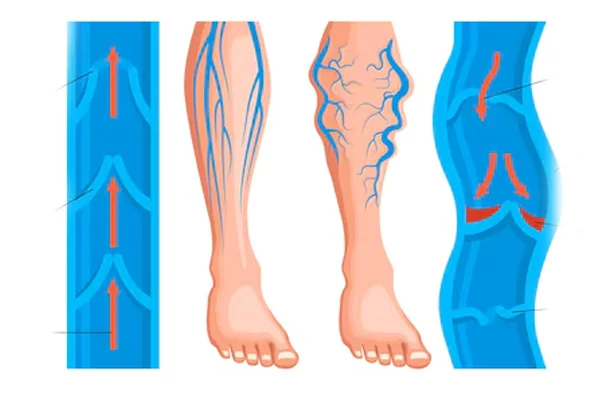
Varicose veins occur when the valves inside the veins do not function properly. Normally, these valves help blood move in one direction towards the heart. When the valves become weak or damaged, blood can collect within the veins, increasing pressure and causing them to become enlarged and twisted.
Varicose veins are most commonly seen in the legs because standing and walking place increased pressure on the veins of the lower limbs.
While some varicose veins are mainly a cosmetic concern, others can cause significant symptoms or lead to complications requiring medical attention.
Symptoms of Varicose Veins
The appearance of enlarged veins is often the most noticeable symptom. Other symptoms can include:
- Aching or pain in the legs
- Heaviness or tiredness in the legs
- Swelling around the ankles or lower legs
- Itching around affected veins
- Burning or throbbing sensations
- Muscle cramps, particularly at night
- Skin changes around the affected area
- Prominent or twisted veins
Symptoms may become more noticeable after prolonged standing and may improve when the legs are elevated.
Causes and Risk Factors
Several factors can increase the likelihood of developing varicose veins. These may include:
- Family history of varicose veins
- Increasing age
- Prolonged standing or sitting
- Pregnancy
- Being overweight or obese
- Reduced physical activity
- Previous problems with the veins
Not everyone with risk factors develops varicose veins, and symptoms can vary significantly between individuals.
When Should You See a Doctor?
A medical evaluation is recommended when varicose veins are associated with persistent pain, swelling, skin changes, or other concerning symptoms.
You should seek medical attention if you experience:
- Persistent leg pain or swelling
- Skin discoloration around the ankle
- Sores or ulcers that do not heal
- Bleeding from a varicose vein
- Sudden increase in swelling or discomfort
- Recurrent inflammation around a vein
Early assessment can help determine the severity of venous disease and whether treatment is necessary.
Diagnosis of Varicose Veins
Diagnosis generally begins with a physical examination and discussion of symptoms and medical history.
A Doppler ultrasound may be recommended to assess blood flow through the veins and identify problems with the venous valves. The results can help determine the extent of venous disease and guide treatment planning.
The appropriate diagnostic tests depend on the individual patient's symptoms and clinical findings.
Varicose Veins Treatment Options
Treatment depends on the severity of the condition, symptoms, vein involvement, and overall health.
Lifestyle Measures
For mild symptoms, lifestyle modifications may be recommended. These can include regular physical activity, maintaining a healthy weight, avoiding prolonged periods of standing or sitting, and elevating the legs when resting.
Compression Therapy
Compression stockings may be recommended for selected patients to support venous blood flow and help reduce swelling and discomfort.
Minimally Invasive Procedures
When intervention is required, minimally invasive procedures may be considered depending on the affected veins and clinical findings. These procedures aim to close or eliminate problematic veins while allowing blood to flow through healthier veins.
Surgical Treatment
In more advanced or selected cases, surgical treatment may be recommended. The appropriate procedure is determined after detailed evaluation and diagnostic assessment.
Benefits of Appropriate Varicose Veins Treatment
Treatment can help address both symptoms and the underlying venous problem in appropriately selected patients. Potential benefits may include:
- Reduction in leg discomfort
- Reduced swelling
- Improved mobility and daily comfort
- Treatment of problematic veins
- Reduced risk of certain complications
- Improved appearance of prominent veins in selected cases
Results vary depending on the severity of the condition and the treatment approach used.
Recovery After Varicose Veins Treatment
Recovery depends on the treatment performed. Patients undergoing minimally invasive procedures may often resume normal activities relatively quickly, while recovery after more extensive surgery can take longer.
Patients should follow all postoperative instructions, including recommendations regarding walking, compression garments, wound care, medication, and follow-up visits.
Regular movement may be encouraged after certain procedures, but strenuous exercise and heavy lifting should only be resumed according to medical advice.
Why Choose Dr. Midur Kumar Sharma?
Dr. Midur Kumar Sharma is an experienced General and Minimal Access Surgeon with more than 15 years of surgical experience. His expertise includes advanced laparoscopic surgery, minimally invasive procedures, robotic surgery, bariatric and metabolic surgery, laser-assisted procedures, and selected emergency laparoscopic cases.
He currently works as Associate Director – Laparoscopic, Bariatric, Metabolic & Robotic Surgery (Unit-I), Metro Hospital, Faridabad.
Dr. Sharma has also been associated with reputed institutions including MMIMSR, Ambala; Alchemist Hospital, Gurugram; Sarvodaya Hospital, Faridabad; and Asian Hospital, Faridabad. He has attended professional conferences, presented scientific papers, and contributed publications to international journals.
For patients seeking Varicose Veins Treatment in Sector 16A Faridabad, Dr. Sharma provides detailed evaluation and personalised treatment planning based on the patient's symptoms, diagnostic findings, and individual healthcare needs.
Frequently Asked Questions
1. What are varicose veins?
Varicose veins are enlarged and twisted veins, usually found in the legs, that develop when blood collects in the veins due to problems with normal venous blood flow.
2. Are varicose veins dangerous?
Many varicose veins are not dangerous, but some can cause complications such as skin changes, ulcers, inflammation, or bleeding. Persistent or worsening symptoms should be medically evaluated.
3. What causes varicose veins?
Weak or damaged vein valves can allow blood to flow backwards and collect in the veins. Age, family history, prolonged standing, pregnancy, and excess weight can increase the risk.
4. Can varicose veins disappear without treatment?
Mild symptoms may be managed with lifestyle measures and compression therapy, but established varicose veins generally do not disappear completely without appropriate treatment.
5. Is surgery always required for varicose veins?
No. Treatment depends on the severity of symptoms and underlying venous disease. Some patients may benefit from lifestyle measures or compression therapy, while others may require a minimally invasive procedure or surgery.
6. Is varicose vein treatment painful?
The level of discomfort depends on the treatment performed and individual factors. Modern minimally invasive techniques are generally designed to reduce surgical trauma and postoperative discomfort.
7. How long does recovery take?
Recovery varies according to the procedure and individual health. Your surgeon will provide specific guidance about walking, work, exercise, compression, and follow-up.
8. Where can I get varicose veins treatment in Sector 16A Faridabad?
Patients looking for Varicose Veins Treatment in Sector 16A Faridabad can consult Dr. Midur Kumar Sharma for evaluation, diagnosis, and personalised treatment planning.