Emergency or Laparoscopic Surgery
Emergency or Laparoscopic Surgery
Some surgical conditions require prompt medical assessment and, in certain cases, urgent surgical intervention. Emergency surgery may be necessary when a condition cannot be safely managed with medicines or observation alone. When clinically appropriate, a laparoscopic approach can provide a minimally invasive option for selected emergency conditions.
If you are looking for Emergency or Laparoscopic Surgery in Sector 16A Faridabad, Dr. Midur Kumar Sharma provides surgical evaluation and advanced minimally invasive care for selected emergency cases.
Dr. Midur Kumar Sharma is a General and Minimal Access Surgeon with more than 15 years of experience in laparoscopic, bariatric, metabolic, robotic, laser-assisted, and minimally invasive surgeries. He is currently working as Associate Director – Laparoscopic, Bariatric, Metabolic & Robotic Surgery (Unit-I), Metro Hospital, Faridabad.
What Is Emergency Surgery?
Emergency surgery refers to an operation performed urgently to treat a condition that may become serious or life-threatening if treatment is delayed.
Emergency surgical conditions can involve the abdomen, digestive system, or other parts of the body. The urgency and type of treatment depend on the patient's symptoms, diagnosis, overall health, and clinical findings.
Some conditions that may require urgent surgical evaluation include:
- Acute appendicitis
- Gallbladder inflammation or complications
- Intestinal obstruction
- Perforation of the gastrointestinal tract
- Certain abdominal infections
- Complicated hernias
- Internal bleeding in selected cases
- Other acute abdominal surgical conditions
Not every emergency requires surgery. The treating surgical team determines the appropriate course of action after evaluation.
What Is Emergency Laparoscopic Surgery?
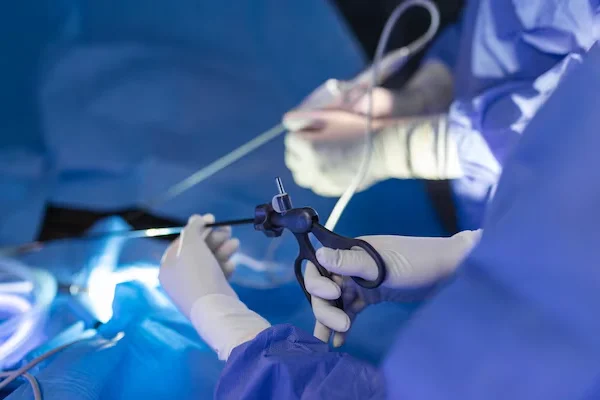
Emergency laparoscopic surgery is a minimally invasive approach used for selected urgent surgical conditions. Instead of making a large abdominal incision, the surgeon generally uses small incisions to introduce a camera and specialised instruments.
The laparoscopic approach may be considered when the patient's condition, anatomy, and urgency allow it.
In some emergency situations, conventional open surgery may be safer or more appropriate. The priority is always timely and safe treatment.
Symptoms That May Require Urgent Evaluation
Certain symptoms should not be ignored, particularly when they appear suddenly or become severe. These may include:
- Severe or rapidly worsening abdominal pain
- Persistent vomiting
- Abdominal swelling or distension
- High fever with abdominal pain
- Blood in vomit or stool
- Inability to pass stool or gas
- Severe pain associated with a hernia
- Sudden severe tenderness in the abdomen
- Fainting, weakness, or signs of significant blood loss
If severe symptoms occur, immediate medical evaluation is important rather than waiting for symptoms to resolve on their own.
Common Emergency Laparoscopic Procedures
Depending on the diagnosis and clinical situation, laparoscopic techniques may be used for selected emergency procedures such as:
Laparoscopic Appendectomy
Removal of the appendix through small incisions may be performed for suitable cases of acute appendicitis.
Emergency Hernia Surgery
Complicated or obstructed hernias may require urgent surgery. A laparoscopic approach may be considered in selected patients.
Emergency Gallbladder Surgery
Acute gallbladder inflammation and certain complications may require surgical treatment. Laparoscopic cholecystectomy can be considered when clinically appropriate.
Intestinal and Abdominal Procedures
Selected cases involving intestinal obstruction, perforation, or other acute abdominal conditions may require minimally invasive surgery depending on the patient's condition.
The specific procedure is determined only after proper diagnosis and surgical assessment.
Benefits of Laparoscopic Surgery
When appropriate for an emergency condition, laparoscopic surgery may offer benefits associated with minimally invasive treatment, including:
- Smaller surgical incisions
- Reduced tissue trauma
- Potentially less postoperative discomfort
- Smaller scars
- Earlier mobilisation
- Potentially faster recovery
However, emergency surgery is different from planned surgery. The patient's safety and the need for effective treatment take priority when choosing the surgical approach.
Emergency Laparoscopic Surgery Process
1. Rapid Clinical Assessment
The patient is evaluated for symptoms, vital signs, medical history, and previous surgical history.
2. Diagnostic Investigations
Blood tests, ultrasound, CT scans, X-rays, or other investigations may be recommended depending on the suspected condition.
3. Diagnosis and Surgical Decision
If surgery is necessary, the surgical team determines the safest and most appropriate procedure. Laparoscopic surgery may be considered where clinically suitable.
4. Emergency Procedure
The patient undergoes the required procedure using laparoscopic or open surgical techniques depending on the condition.
5. Postoperative Monitoring
After surgery, the patient is monitored closely. Treatment may include pain management, antibiotics when required, dietary guidance, wound care, and mobilisation.
Recovery After Emergency Laparoscopic Surgery
Recovery depends on the type and severity of the emergency, the procedure performed, and the patient's overall health.
Patients may be encouraged to gradually increase movement after surgery according to medical advice. Dietary recommendations, medications, wound care, and activity restrictions will depend on the specific procedure.
Emergency surgery can sometimes require a longer recovery than planned laparoscopic surgery because the underlying condition may be more severe.
Why Choose Dr. Midur Kumar Sharma?
Dr. Midur Kumar Sharma has more than 15 years of experience in General and Minimal Access Surgery. His areas of expertise include advanced laparoscopic surgery, Single Incision Laparoscopic Surgery, bariatric and metabolic surgery, robotic surgery, laser-assisted procedures, and laparoscopic surgery in selected emergency cases.
He currently serves as Associate Director – Laparoscopic, Bariatric, Metabolic & Robotic Surgery (Unit-I), Metro Hospital, Faridabad.
His professional experience includes association with MMIMSR, Ambala; Alchemist Hospital, Gurugram; Sarvodaya Hospital, Faridabad; and Asian Hospital, Faridabad. He has also participated in conferences, presented scientific papers, and contributed to international journal publications.
For patients seeking Emergency or Laparoscopic Surgery in Sector 16A Faridabad, Dr. Sharma provides surgical evaluation and treatment planning based on the urgency, diagnosis, and individual clinical requirements.
Frequently Asked Questions
1. What is emergency surgery?
Emergency surgery is an urgent surgical procedure performed when delaying treatment could lead to serious complications or deterioration of the patient's condition.
2. What is emergency laparoscopic surgery?
It is a minimally invasive surgical approach used for selected emergency conditions through small incisions with the assistance of a laparoscopic camera and specialised instruments.
3. Can appendicitis be treated with laparoscopic surgery?
Yes, laparoscopic appendectomy is commonly used for suitable cases of acute appendicitis, depending on the patient's condition and clinical assessment.
4. Is laparoscopic surgery possible during an emergency?
It can be possible for selected emergency conditions. The decision depends on the diagnosis, severity, patient's health, and safety of the minimally invasive approach.
5. Is open surgery sometimes required?
Yes. In certain emergency situations, open surgery may be safer or more appropriate. The surgical team chooses the approach that best addresses the patient's condition.
6. What symptoms require urgent surgical evaluation?
Severe abdominal pain, persistent vomiting, abdominal swelling, high fever, blood in vomit or stool, inability to pass stool or gas, or sudden severe pain should receive prompt medical evaluation.
7. How long does recovery take after emergency laparoscopic surgery?
Recovery varies according to the emergency condition, procedure performed, and patient's overall health. Your surgeon will provide individualised postoperative guidance.
8. Where can I consult for emergency or laparoscopic surgery in Sector 16A Faridabad?
Patients requiring surgical evaluation can consult Dr. Midur Kumar Sharma for emergency and minimally invasive surgical care, depending on the clinical condition and treatment requirements.